April 14, 2026
Achieving optimal results with Invisalign requires proper care, thoughtful diet adjustments, and consistent compliance, as the system relies heavily on user responsibility. Understanding the nuances of aligner care, meal choices, and adherence to wear schedules is crucial for treatment effectiveness. By implementing these lifestyle changes and maintaining diligent habits, users can enhance the potential for successful outcomes. This article provides a comprehensive guide to these factors, equipping users with the knowledge needed to achieve a healthy, aligned smile.
Understanding the Basics
How Aligners Work
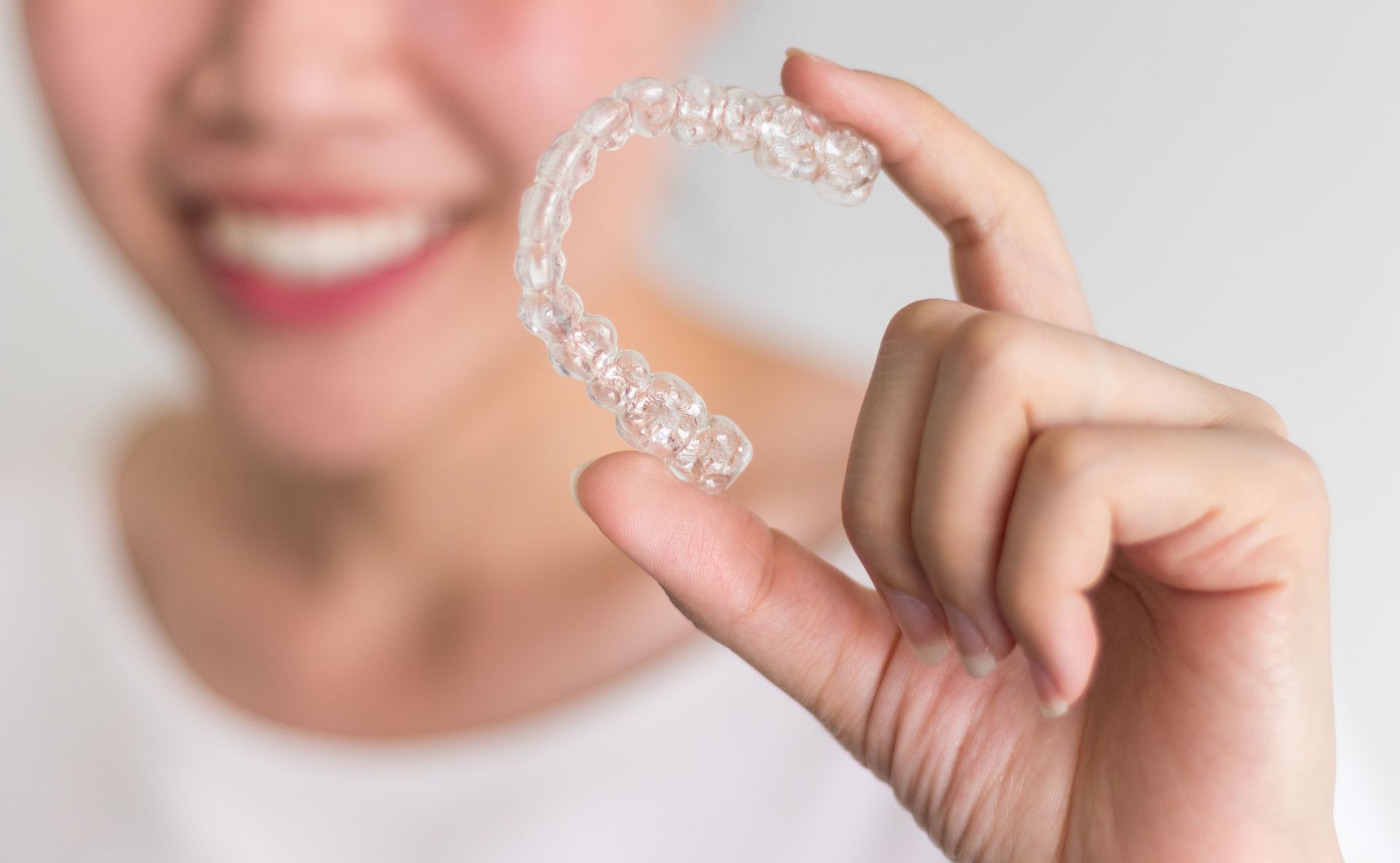
Invisalign works by utilizing a series of custom-made clear aligners that gradually shift teeth into their desired position. Each aligner is crafted from BPA-free plastic designed for comfort and subtlety, making it harder for others to notice. Patients typically receive a new set of aligners every two weeks, with each set incrementally adjusting the teeth's positioning. Unlike traditional braces, which require regular tightening and adjustments, aligners work in sequence, allowing for a predetermined and controlled movement plan. As an essential part of this process, the wearer must ensure consistent use of the aligners to see maximum benefit from their orthodontic treatment.
The innovative nature of aligners is one of their main advantages over traditional braces. However, achieving the best results with aligners is firmly dependent on patient compliance, as the aligners must be worn consistently. According to Consumer Affairs, Invisalign aligners should be worn for 20 to 22 hours each day and can be removed when eating, brushing, and flossing. This requirement highlights the discipline needed to adhere to the treatment plan, emphasizing why user responsibility is key to its success.
Initial Consultation and Fitting Process
The initial consultation is the first step on the road to Invisalign treatment, where a thorough assessment of one's dental condition is conducted. This appointment is an opportunity to discuss the desired outcomes and suitability for aligners, based on particular dental irregularities. During this stage, a dental professional will take a comprehensive digital scan or impression of the patient's teeth, which will serve as the foundation for creating the custom aligners.
Following the consultation, the fitting process begins with the creation of the aligners using advanced computer imaging software. The 3D model of the patient's teeth enables the orthodontist to map out the course of treatment meticulously. This detailed plan addresses each stage of teeth movement, ensuring the aligners accurately correspond to the intended shifts. By the time the patient receives their first set of aligners, there is already a clearly defined trajectory for the proposed dental transformations.
Technology Behind Invisalign Aligners
The technology behind aligners represents a convergence of science and digital innovation, aimed at enhancing orthodontic treatment. Central to this process is the inclusion of patented SmartTrack material—a highly elastic thermoplastic polymer developed to improve control over tooth movements. This innovative material ensures that each aligner applies the appropriate force, facilitating smooth transitions from one stage to the next.
Aligner effectiveness is further amplified through the use of advanced 3D computer imaging. This imaging technology captures nuanced details of the patient's dental structure, forming the basis for the customized treatment plan. Each aligner is created based on detailed models of the expected shifts, ensuring precision and targeted intervention. This tailored approach enhances the wearer's overall experience, reinforcing the strategic benefits of using high-tech solutions for orthodontic problems.
Proper Care
Cleaning and Maintaining Aligners
Maintaining aligners is a critical component of achieving optimal results while ensuring oral hygiene. Regular cleaning prevents the buildup of bacteria and plaque, keeping the aligners transparent and odor-free. One recommended method involves daily soaking in special cleaning solutions specifically formulated for Invisalign, followed by gentle brushing with a soft-bristled toothbrush to remove surface debris.
Using toothpaste to clean the aligners is often discouraged, as certain abrasive ingredients can cause micro-scratches on the clear surface, diminishing their invisibility. Patients should also avoid using hot water to rinse or clean aligners, as excessive heat may warp the plastic material, rendering the aligners ineffective. Consistently adhering to a thorough cleaning regimen not only extends the life of each set of aligners but also contributes to maintaining a healthy oral environment free of bacteria and odor.
Best Practices for Handling Aligners
Proper handling of Invisalign aligners is crucial to preserving their integrity and ensuring effective treatment outcomes. Users should always wash their hands thoroughly before inserting or removing aligners to avoid introducing bacteria to the mouth. Aligner trays should be carefully placed onto teeth, starting from the front and gently maneuvering to the back to ensure a snug fit without causing damage.
Care must be taken when removing aligners, as aggressive force can lead to undesired wear or potential breakage. Lifting from both ends and gradually working towards the center helps to minimize the risk of deformation. If an aligner becomes damaged or lost, it is advisable to contact an orthodontist promptly for guidance on the next steps to avoid prolonged disruptions to the treatment schedule.
Storage Tips While Eating
When dining outside the home, it is advisable to carry a small portable case to prevent aligners from being misplaced or accidentally thrown away. Setting aside designated areas in the home for aligner storage helps establish a routine that minimizes accidental damage. Additionally, remembering to soak aligners briefly before reinsertion ensures that they remain hygienic, particularly after exposure to various environmental elements.
Taking the extra time to securely store aligners during each meal significantly reduces the potential for downtime in treatment. This attention to detail helps to avoid any extension of the treatment plan timeline, ensuring timely progress towards achieving beautifully aligned teeth. Through secure storage and prompt reinsertion, patients safeguard and maximize the benefits.
Diet and Lifestyle Adjustments
Foods to Avoid
Minding dietary choices is an important aspect of the Invisalign process to ensure aligners remain intact and effective. Hard, sticky, or gummy foods should be avoided while aligners are in place, as they can easily cause damage. Foods and drinks that leave vibrant stains, such as coffee, red wine, or artificially colored items, can also discolor aligners, diminishing their aesthetic appeal.
Since aligners can be removed when eating, it’s best to take them out during meals that involve potentially damaging or staining foods. Limiting the duration that aligners are out ensures treatment progress continues uninterrupted and reduces the risk of compromising oral hygiene. Establishing meal routines that account for removable aligners helps balance dietary enjoyment with treatment efficiency.
Recommended Foods and Drinks
Choosing foods that are gentle on both teeth and aligners supports Invisalign treatment by minimizing risks of damage or discoloration. Soft fruits like bananas and avocados, as well as lean proteins such as fish and tofu, can be eaten safely when aligners are removed. Clear or lightly colored beverages, including water and herbal tea, enhance hydration without staining aligners, while avoiding sugary drinks protects enamel during wear.
Impact of Smoking and Alcohol
Both smoking and alcohol consumption can interfere with aligner treatment, even though aligners can be removed. Smoking can quickly stain aligners when worn and contributes to bacterial growth in the mouth. Alcohol, particularly sugary or acidic drinks, can weaken enamel if aligners are left in during consumption. Removing aligners before these habits and maintaining careful oral hygiene ensures treatment stays effective and oral health is preserved.
Achieving the best results with Invisalign depends on a combination of consistent aligner wear, proper care, and mindful lifestyle choices. By removing aligners while eating, maintaining a careful cleaning routine, and making thoughtful dietary decisions, patients can prevent damage, staining, and bacterial buildup. Avoiding habits like smoking and limiting sugary or acidic drinks further protects both aligners and oral health. Staying diligent with these practices ensures the treatment progresses efficiently and effectively. Ultimately, following these guidelines empowers patients to achieve a healthy, beautifully aligned smile. Ready to achieve your perfect smile? Schedule your Invisalign consultation at Waterford Dental today!